Cymatics
An exclusive project proposal for Chris Levine
Cymatics
An exclusive project proposal for Chris Levine
WATER SOUND & LIGHT
There is no vibration without sound
There is no shape without water
There is no image without light
Cymatics combines these three physical principles of nature to give birth to a sacred language.
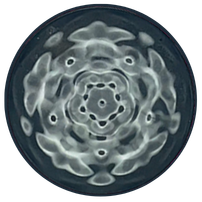
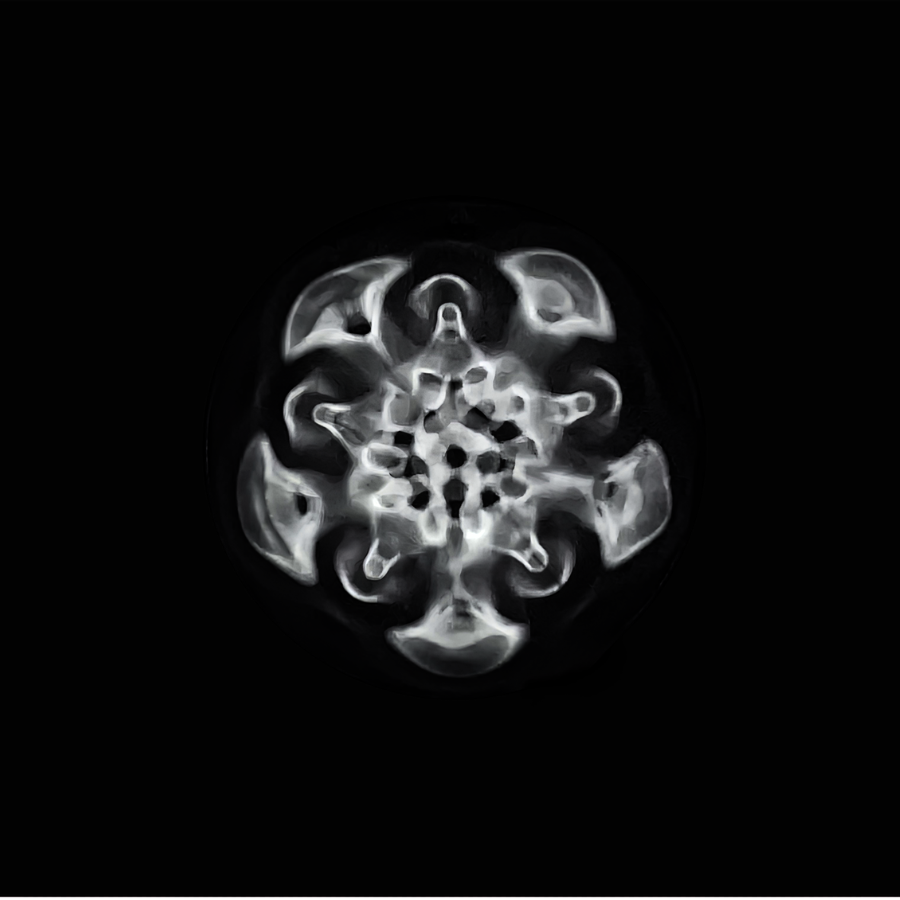
Cymatics is the study of the visual representation of sound through water. When a sound frequency travels through the water, the vibration reorganizes its surface into geometric patterns that evolve with each variation of the frequency. The light reflected into the water transforms the invisible into geometry.
There are several factors that can alter the structure of the water: the volume of the water, the amount of water, the sound itself and the light. The liquid we use or the mixture of several liquids would also be a significant factor to consider, but we only use water for our work.
According to this fact, each note can produce different geometric patterns depending on how these factors are combined.
This work proposes a way of contemplating vibration as a universal language capable of connecting science, nature and art in a single experience.
Our team works exclusively with 432 Hz tuning because we believe its natural resonance benefits the cells of the human body.
In the experiments made for The O Experience, water was positioned over a magnet to allow for more precise manipulation of the sound volume. The magnet exerts a magnetic resistance force on the water, preventing it from escaping easily.
On this journey we've discovered that the strength of the magnet also alters the pattern design.
The O Experience
The O Experience
From The O experience we want to offer a new perspective where light comes from underwater to provide a real-time visual projection.
We are exploring this method where light plays a major role and it would be interesting to see where we can take this project by working together.
A glass plate with a hole in its center is supported by two loudspeakers, one at each end.
The function of the hole is to fit a container filled with water. It's also important to raise the speakers to achieve the necessary distance for projecting from below.
The light source must be below the container in order to observe a projection on the ceiling, but we also have the option of using mirrors to redirect the light to other points.
As soon as sound comes into play and travels along the glass to reach the water, blurred shapes start to appear on the ceiling.
If we change the distance between the light source and the water, alterations in the resulting reflections can be observed.
By placing a magnifying glass between the ceiling and the container of water, and finding the correct focusing, the projection becomes sharp and well defined.
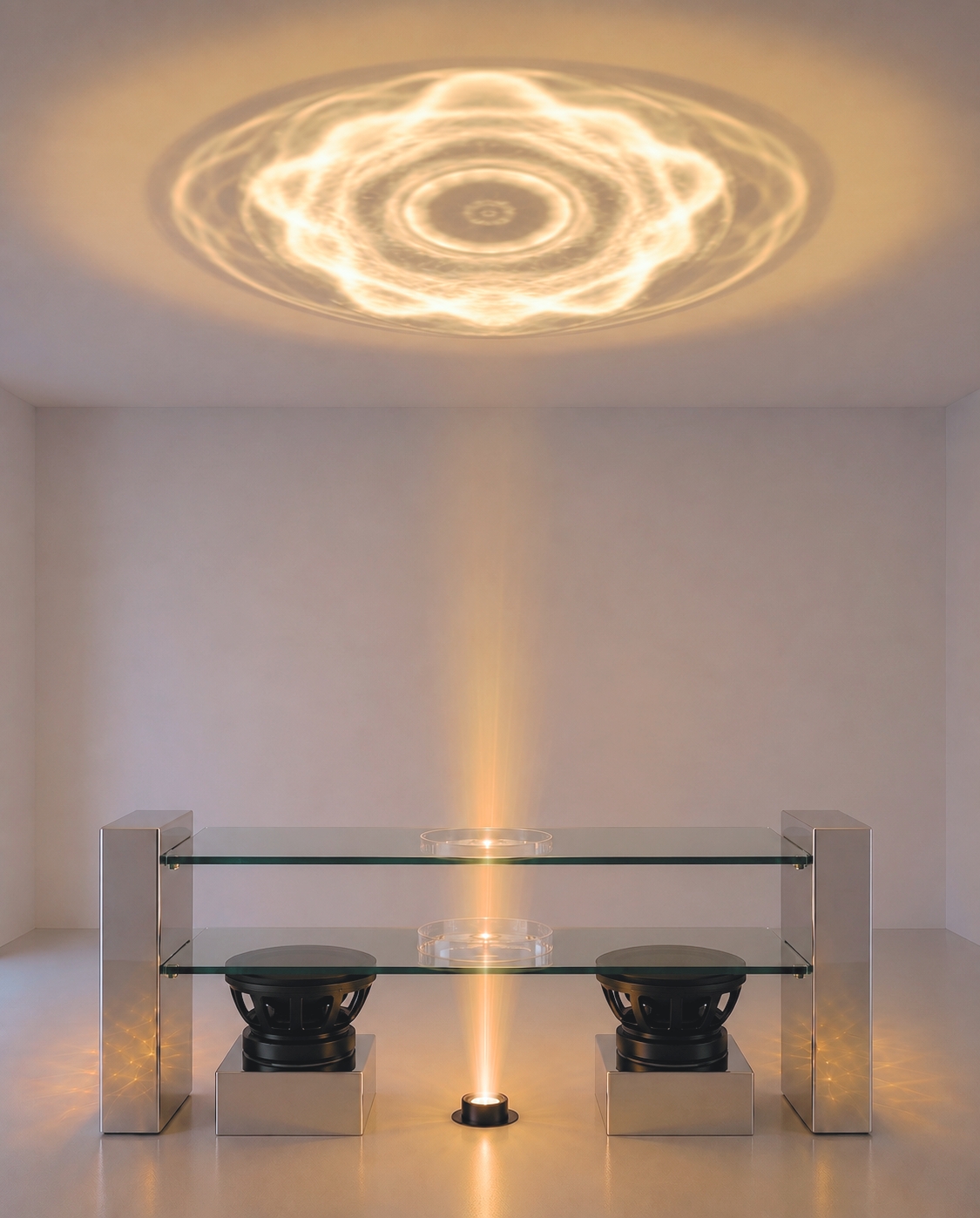
One solution for holding the lens at a certain distance would be to cover the entire system with an aluminium cone. The smaller upper circle would be the same size as the lens to support it, and the lower circle would be large enough to cover both speakers.

Virtual Representation of the Mechanism
An important aspect to consider is that the focus distance depends on the volume intensity. In the following video, you can see that when you raise the lens, other patterns appear that would be in focus if the volume were increased. The same thing happens when we reverse the process: when we lower the lens and bring it closer to the water, the focus point is at a lower volume.
For now I've been holding it up with a piece of glass supported by stacked books at both ends, which fortunately hasn't interfered with the projection.
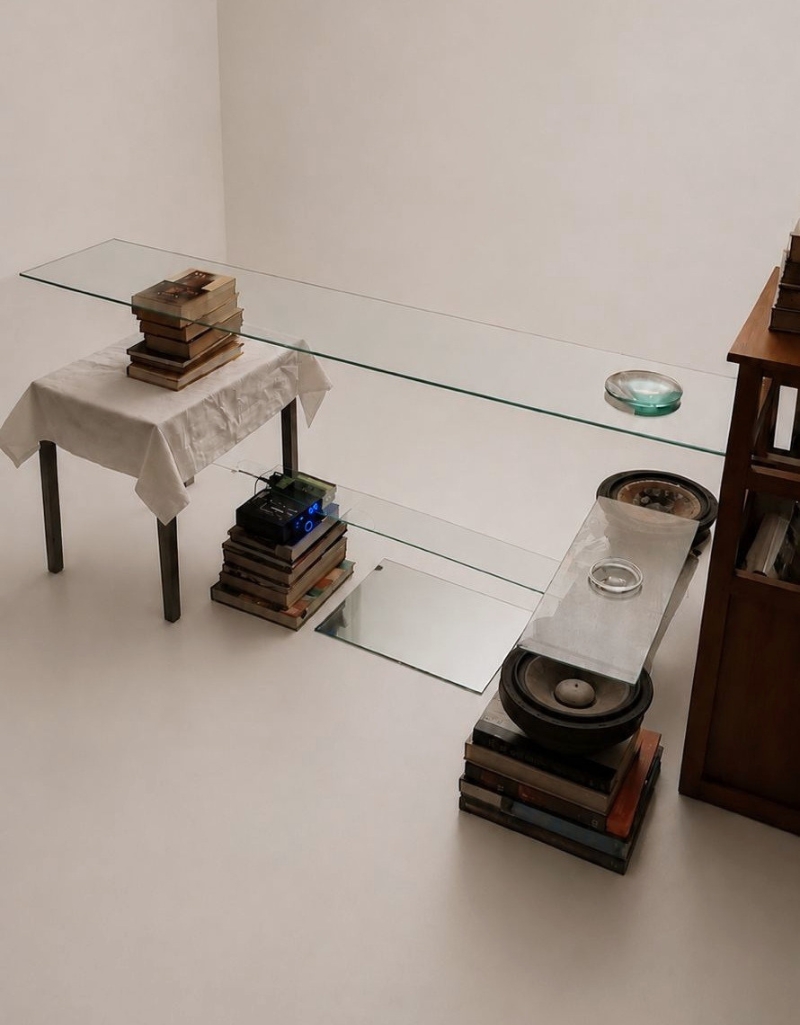
This same principle occurs if we place a sheet of paper over the container of water. As we move away, different focus points can be observed on the paper.
A simpler option is to use an overhead projector because it has a magnifying lens built into its mechanism but we are limited in terms of light.
Sound · Water · Light
Here is a compilation of the images obtained using the note C with A tuned to 432 Hz.
The O Experience