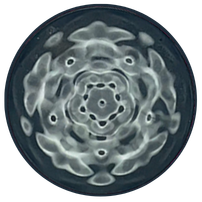
Investigation into the materialization of sound

Voice Sounds · Exhibition · Madrid
Watch the full storyOn May 25, 2025, I found something I wasn't looking for. Something that became a treasure. It was a piece of glass, found during a walk near where the Cooperative used to be in the town of Felanitx. I already knew the place because months earlier I had found inside it a metal tank with a fascinating sonic resonance — I had to go back to see if they had started the renovations. That walk ended up being the beginning of everything.
I'd been thinking for days about how to materialize sound. From the moment I picked up that piece of glass, that same night in the studio, it started to matter to me. Understanding how something invisible could leave a trace became my own challenge. To be able to see it. I wanted to see it.
I built a simple system: glass, an elastic membrane, a speaker, and paint. The logic is straightforward: place paint between two surfaces, subject one to vibration, and observe what happens when both come into contact and separate. I tried it with my own voice, and that's where the first figure appeared. It wasn't just sound. It was form.
I started experimenting with other sounds. Dolphins. Ocean waves. Each one produced a different landscape. These weren't random stains, but structures with an internal logic — branches, waves, expansions that recall patterns found in nature: roots, river systems, neural networks. There is order within the apparent chaos.
In one of the tests, the speaker was off. And the figure appeared anyway. That's when I understood something didn't add up. What at first looked like a technical error turned out to be the exact opposite: the key to understanding the whole process. The forms didn't depend only on sound — they also emerged from the friction between the glass and the membrane. Sound has an influence. But it doesn't explain everything.
Since then I've been experimenting with other combinations: brightness, temperature, viscosity — variables that intervene, alone or together, in the resulting image. What matters isn't the equation, but the awareness that sound is one force among several. And that even without it, something always ends up drawing itself.
Each piece is unique and unrepeatable: the result of a sound, a material and a moment that will never coincide again.
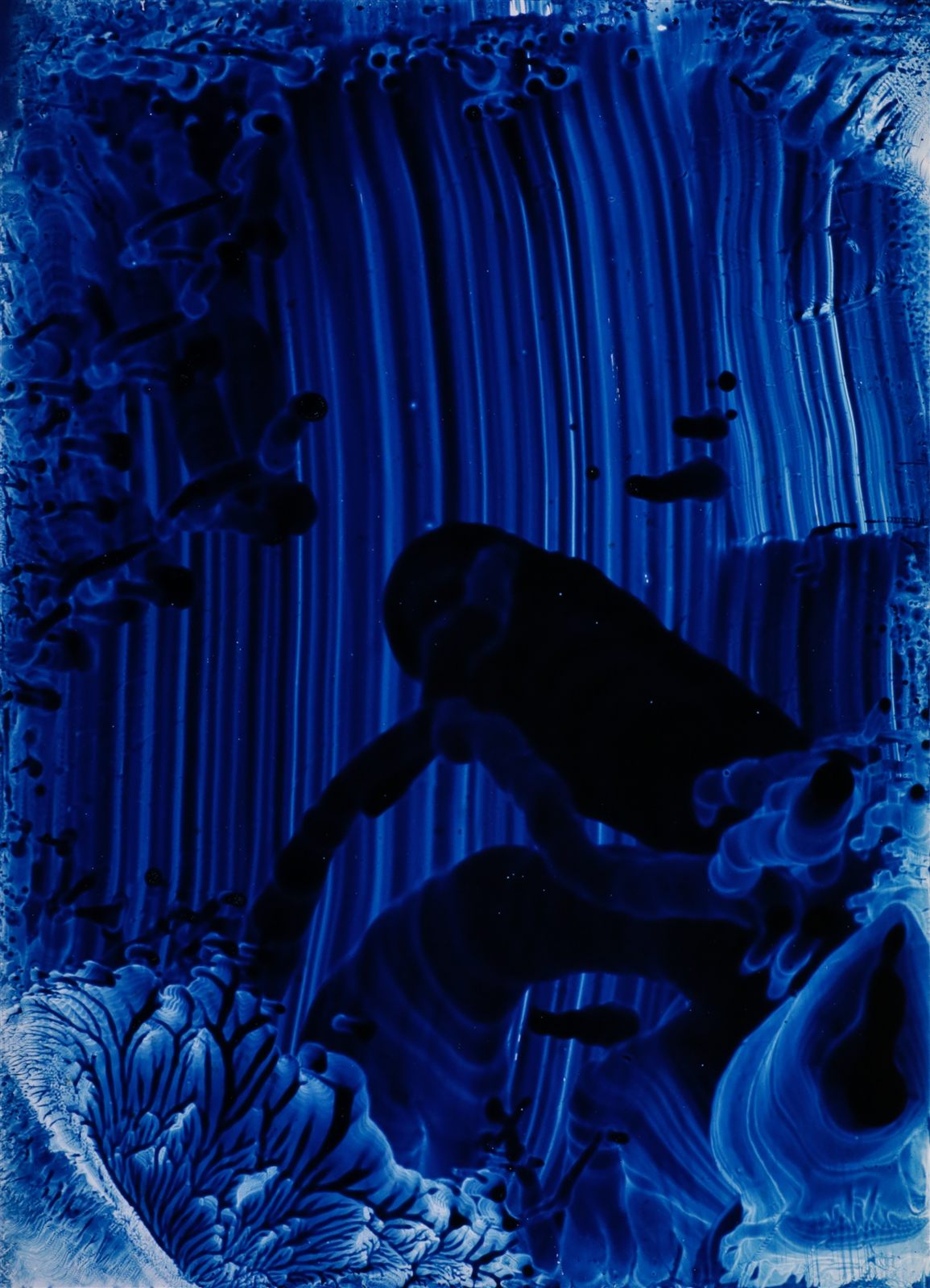
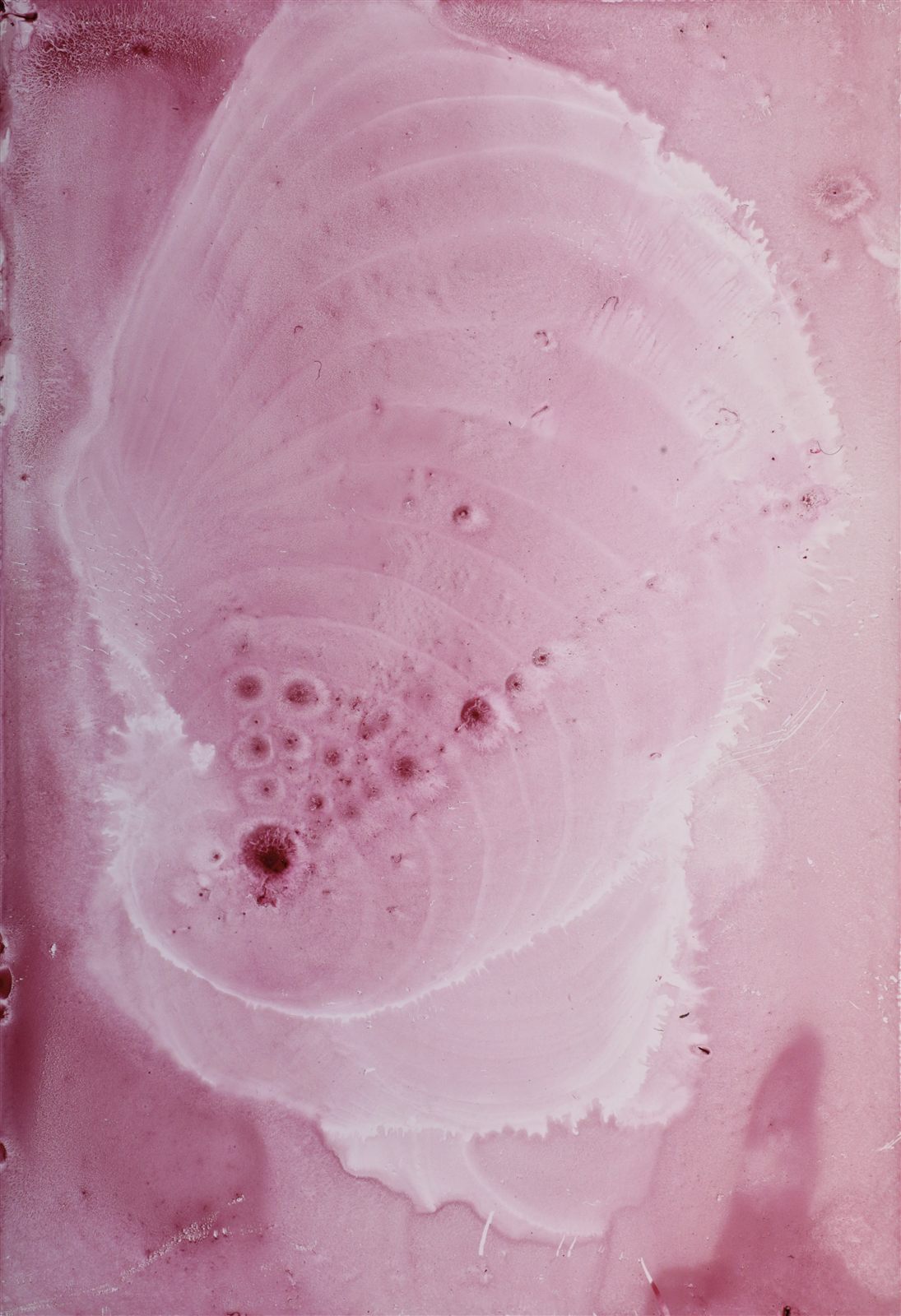
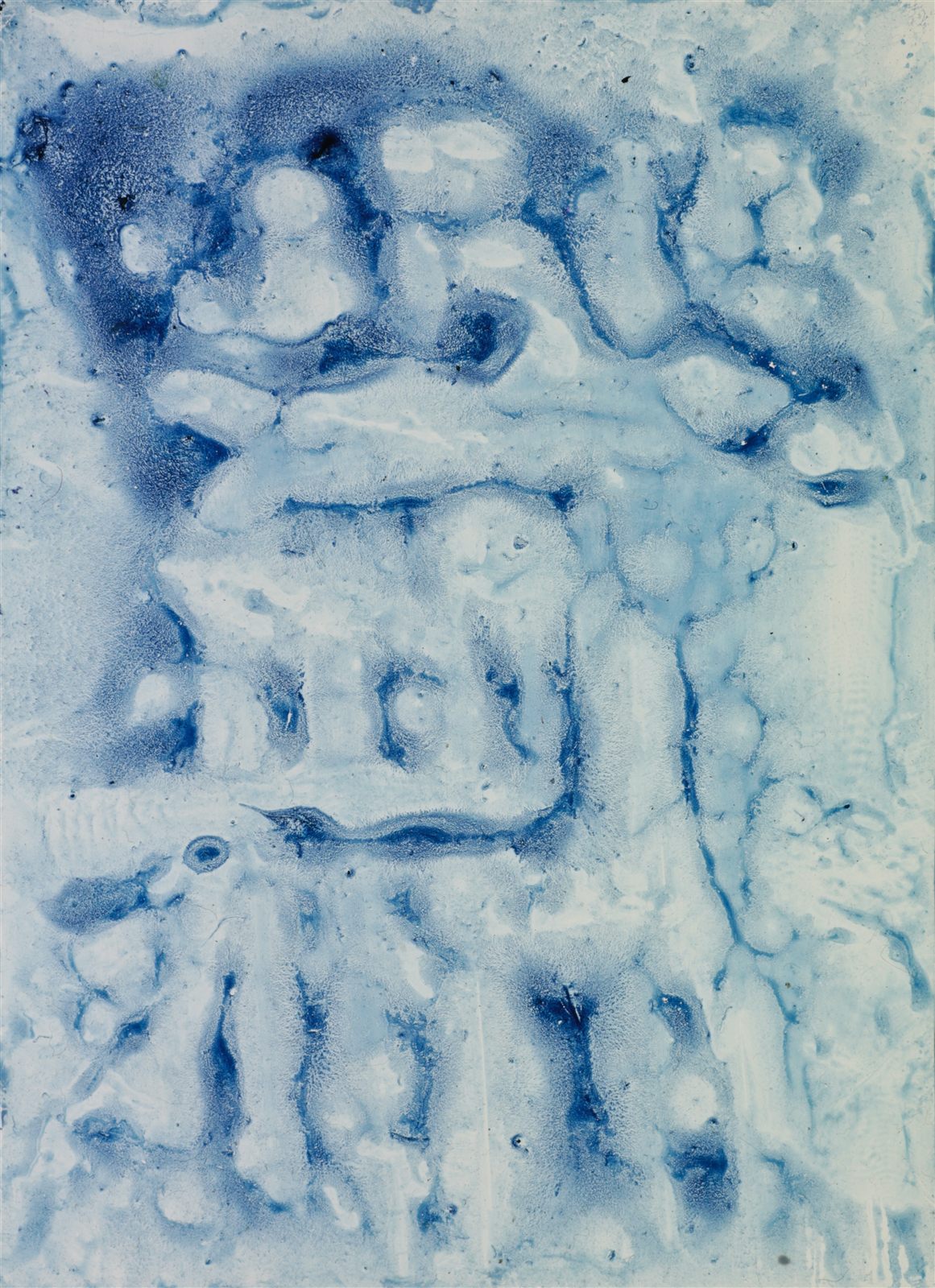
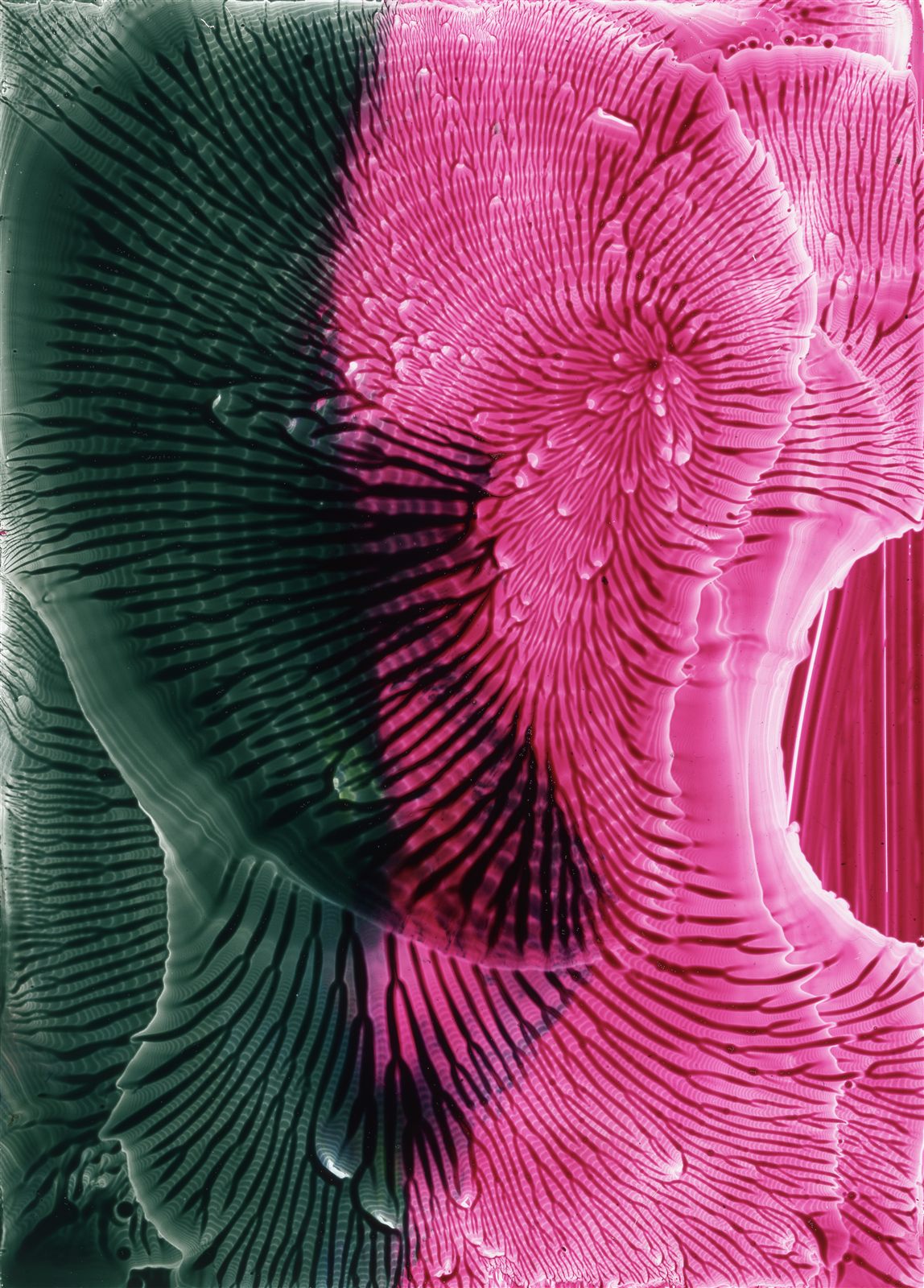
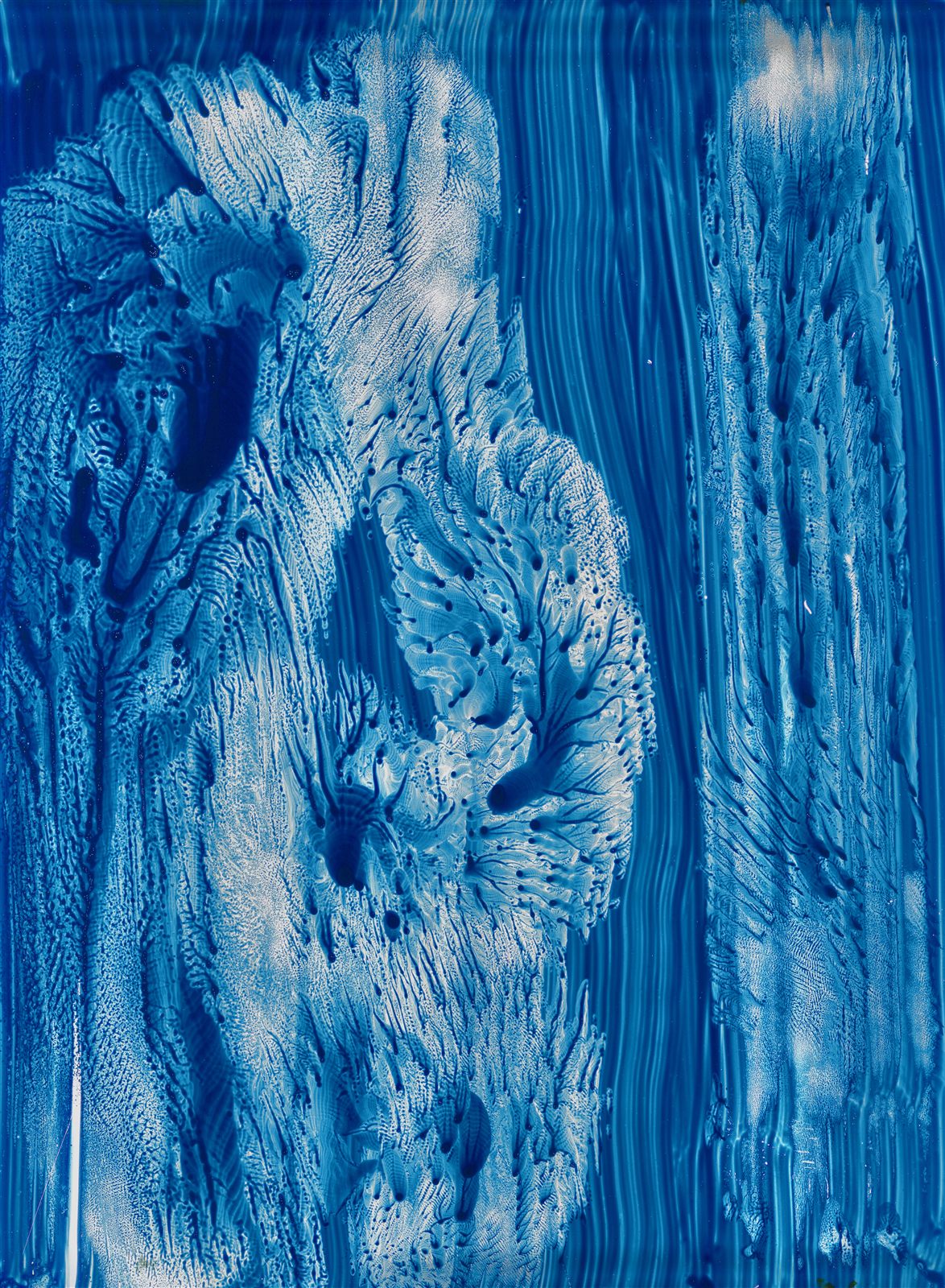
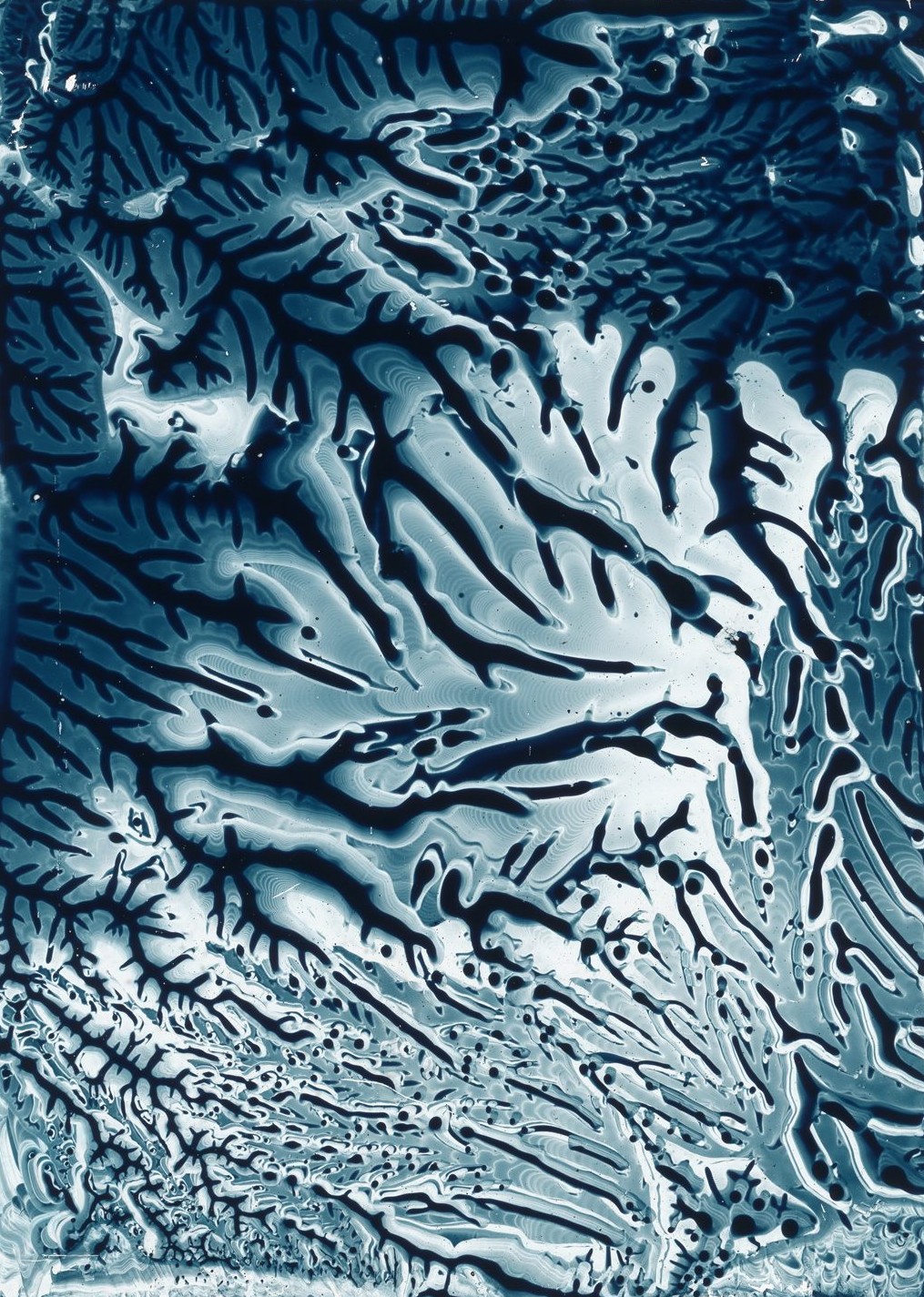
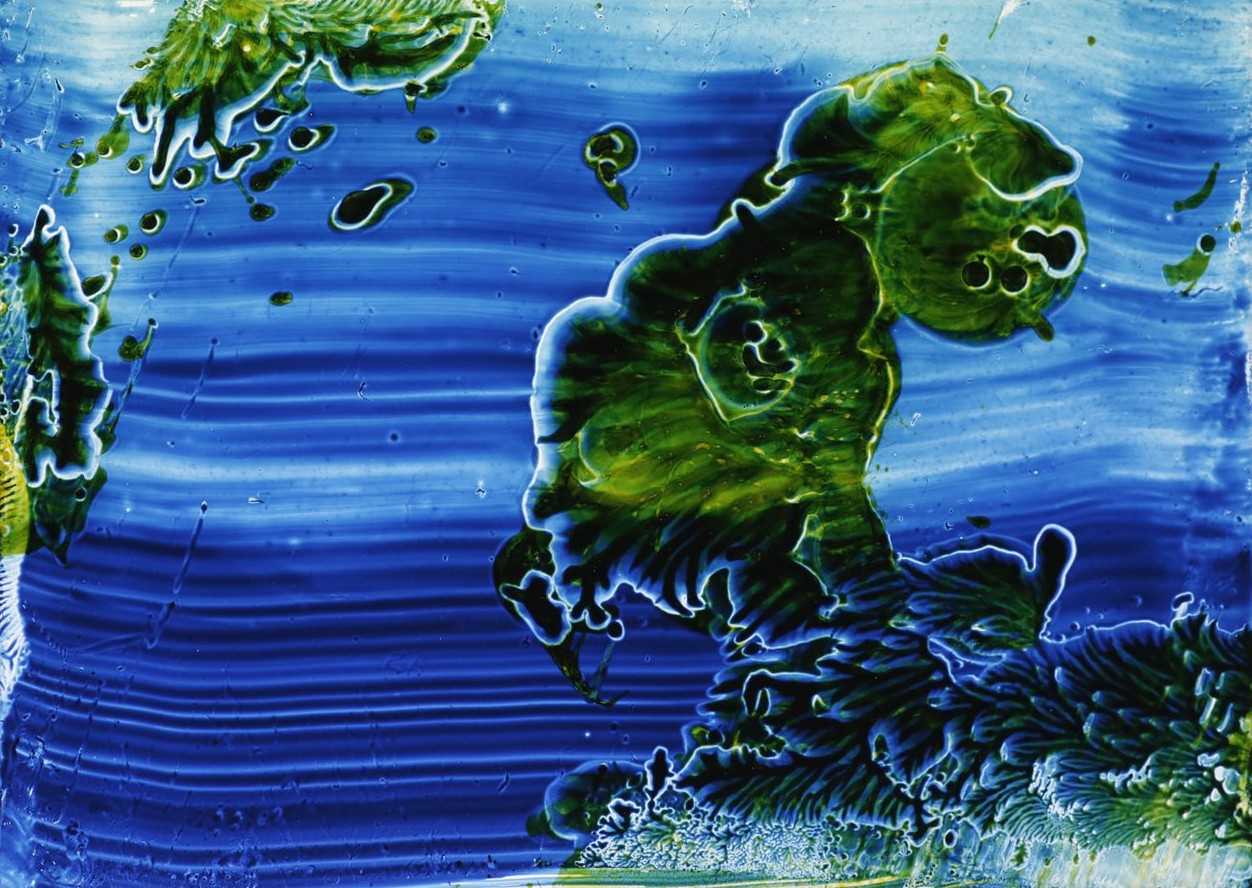
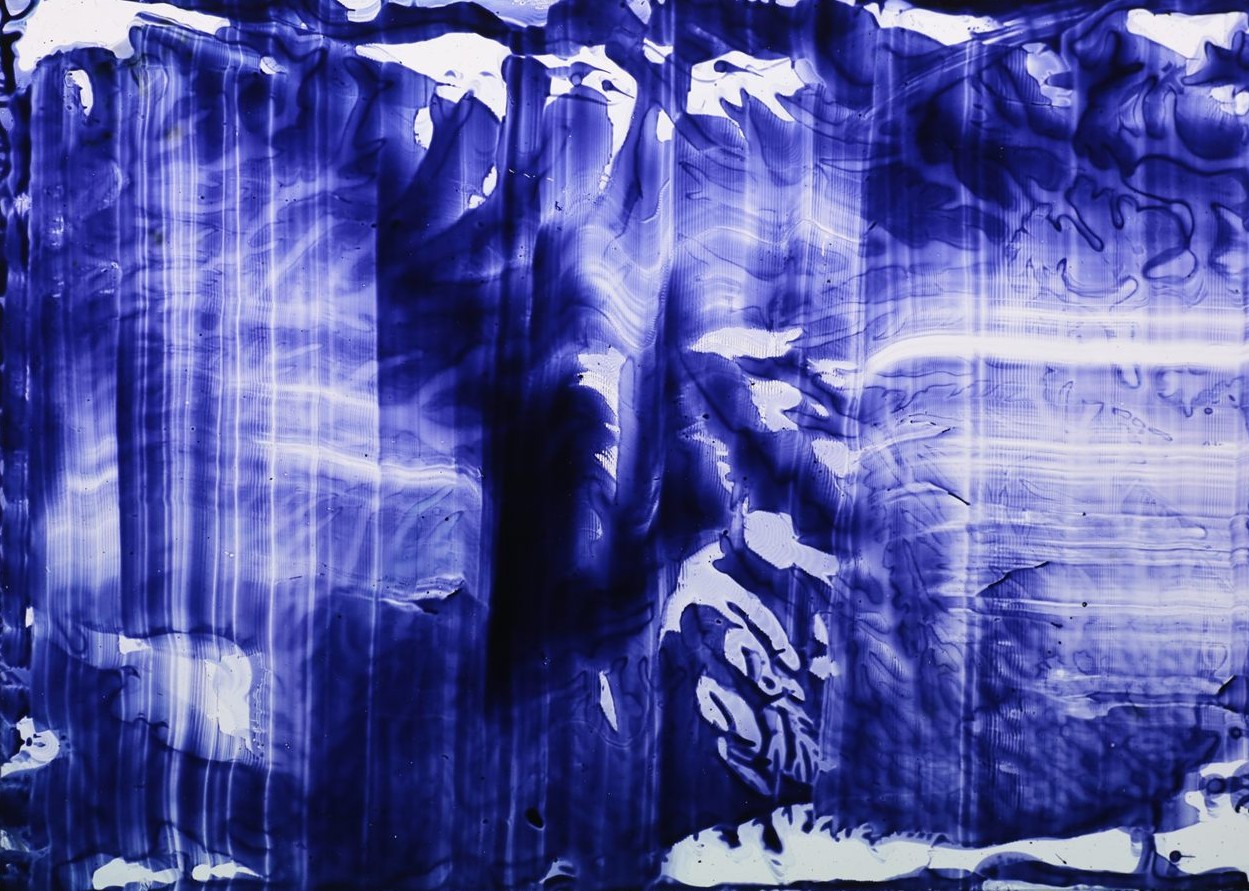
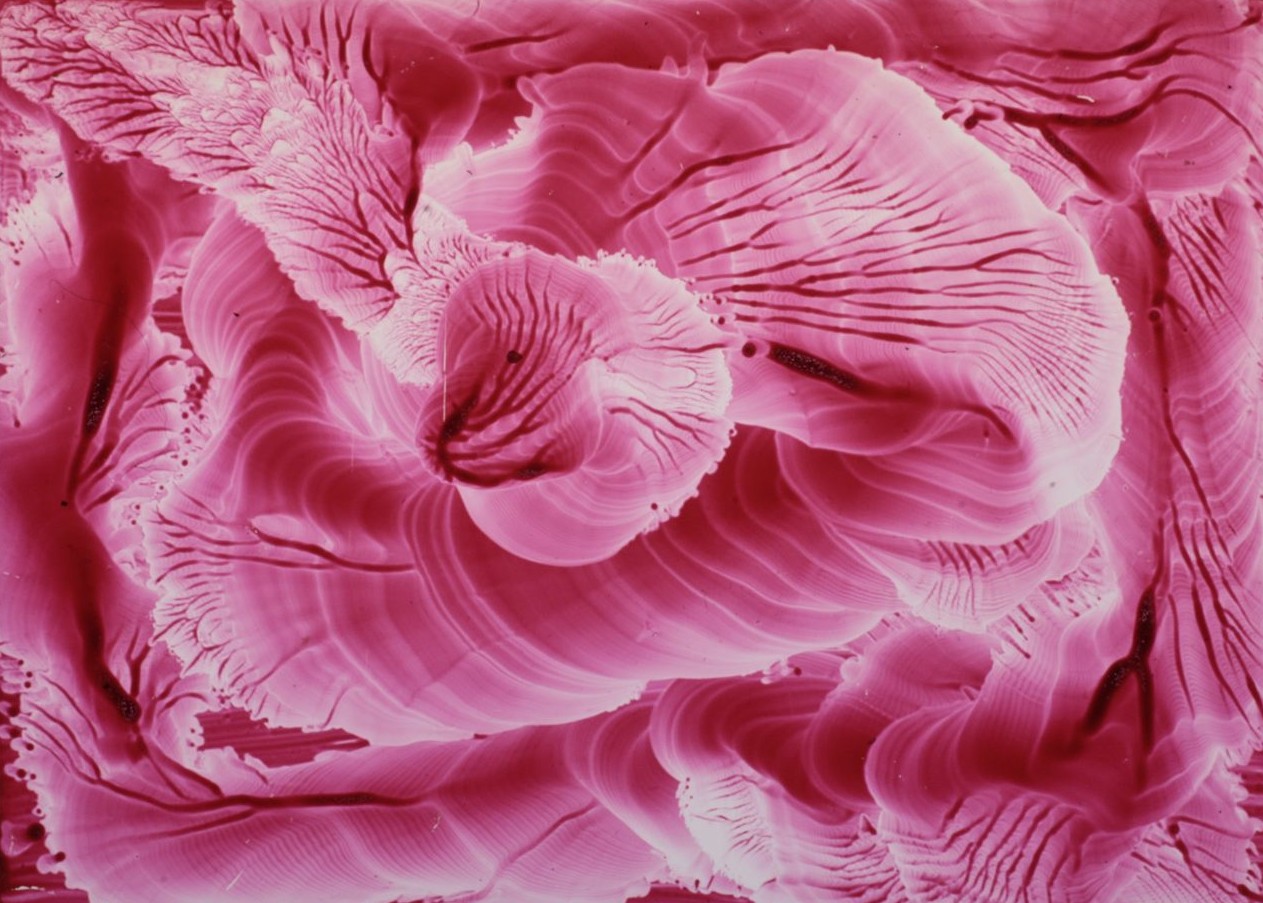
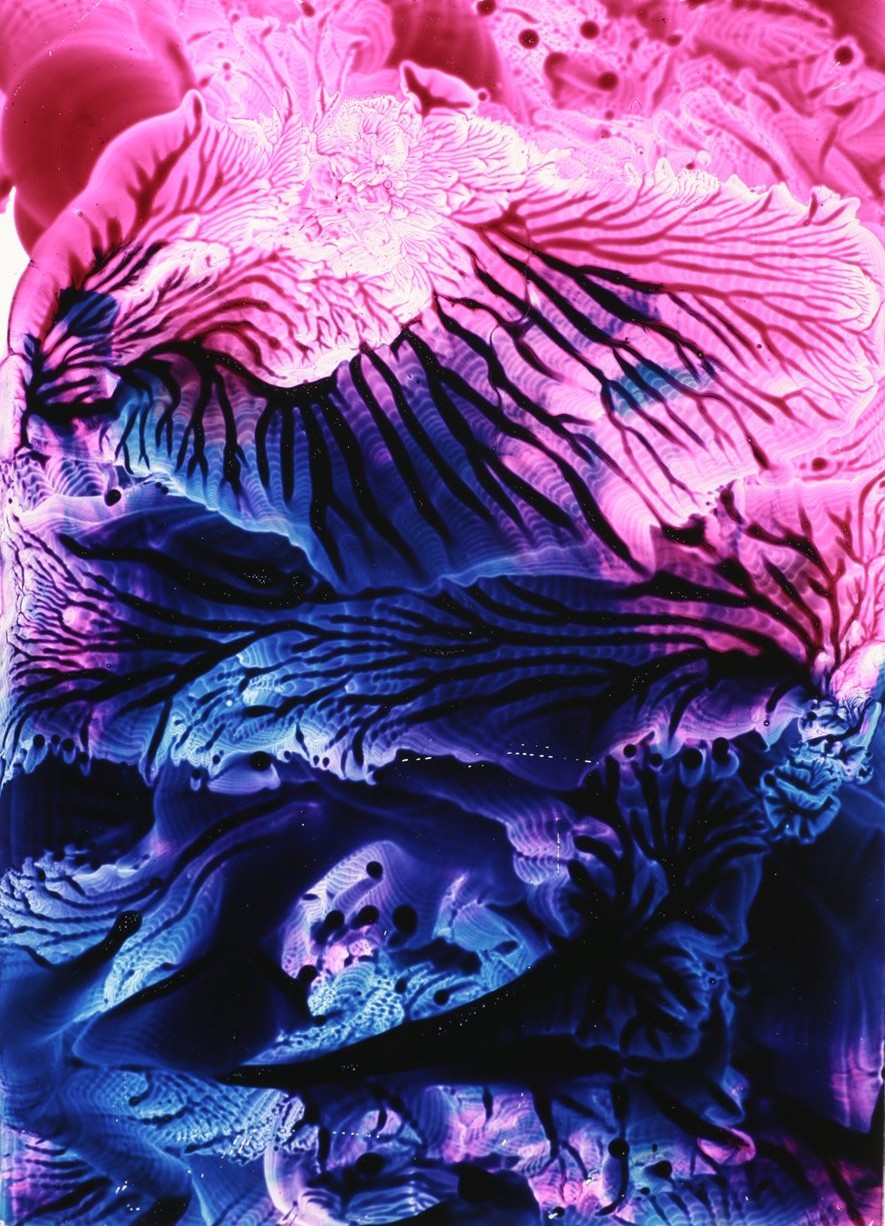
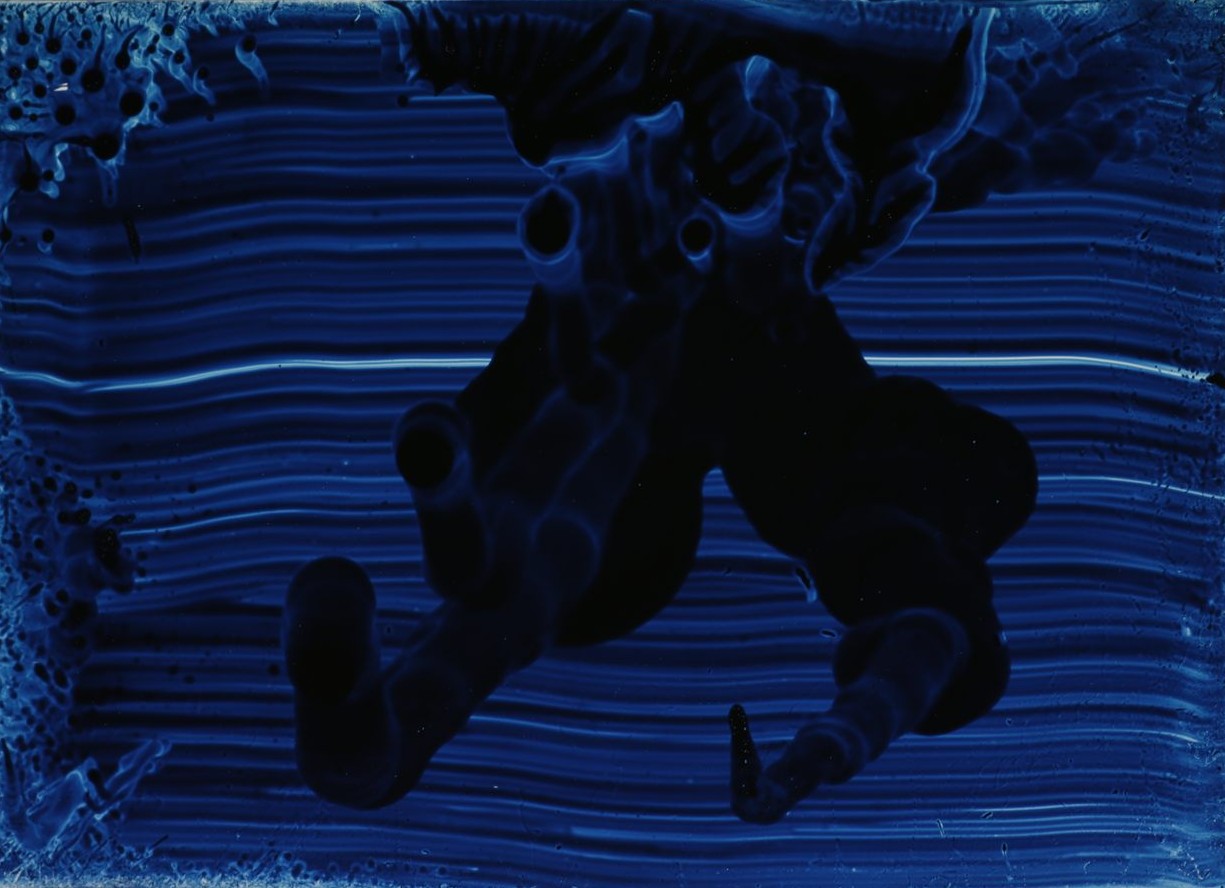
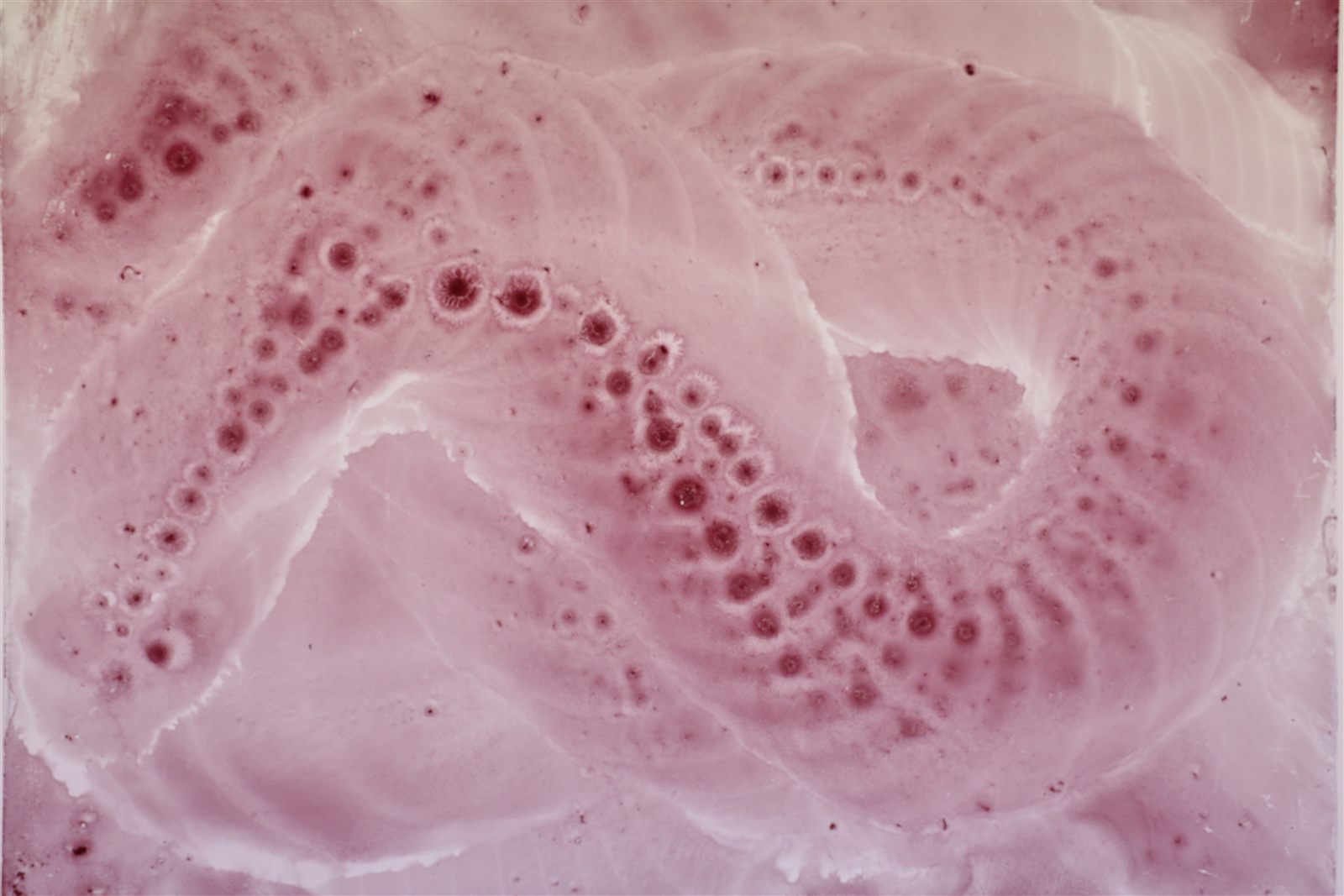
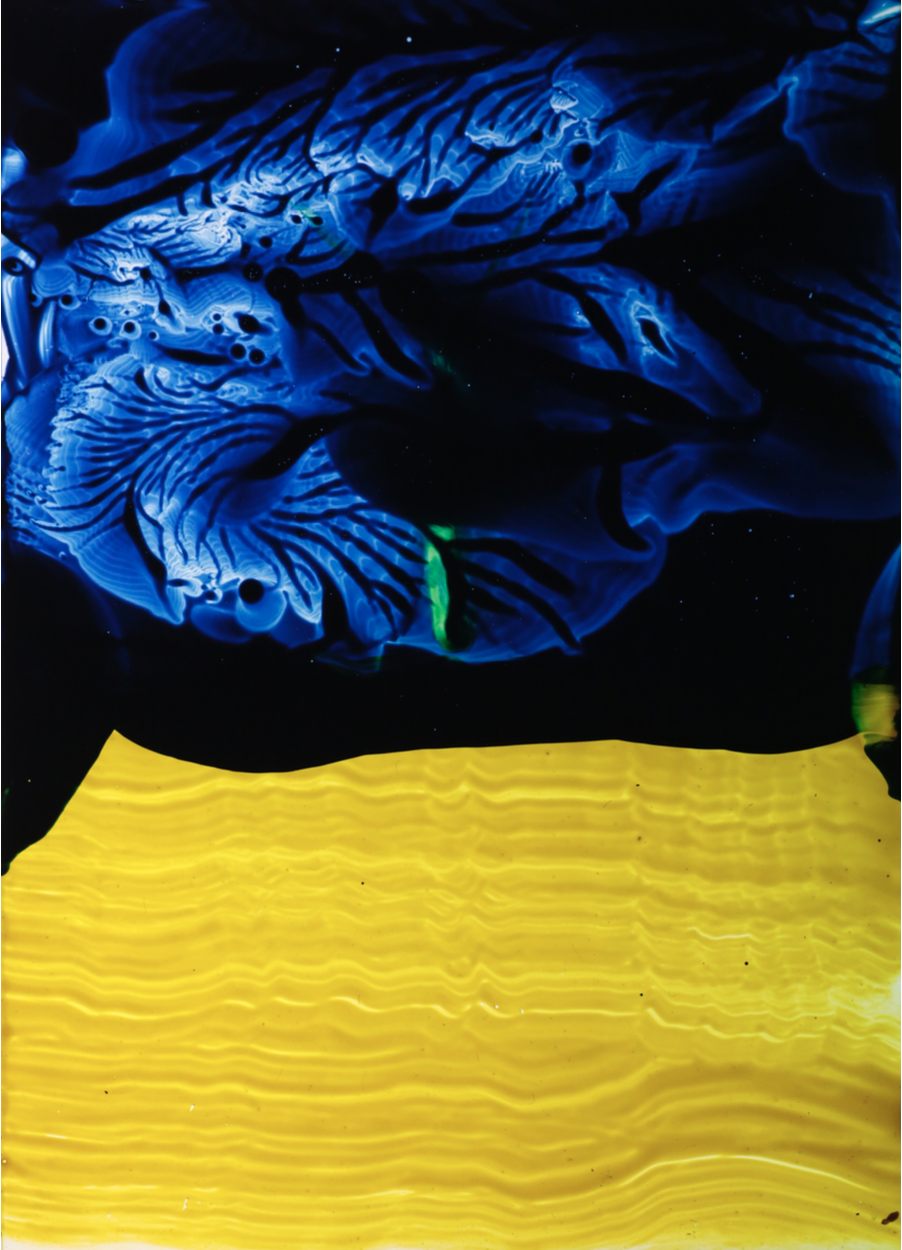
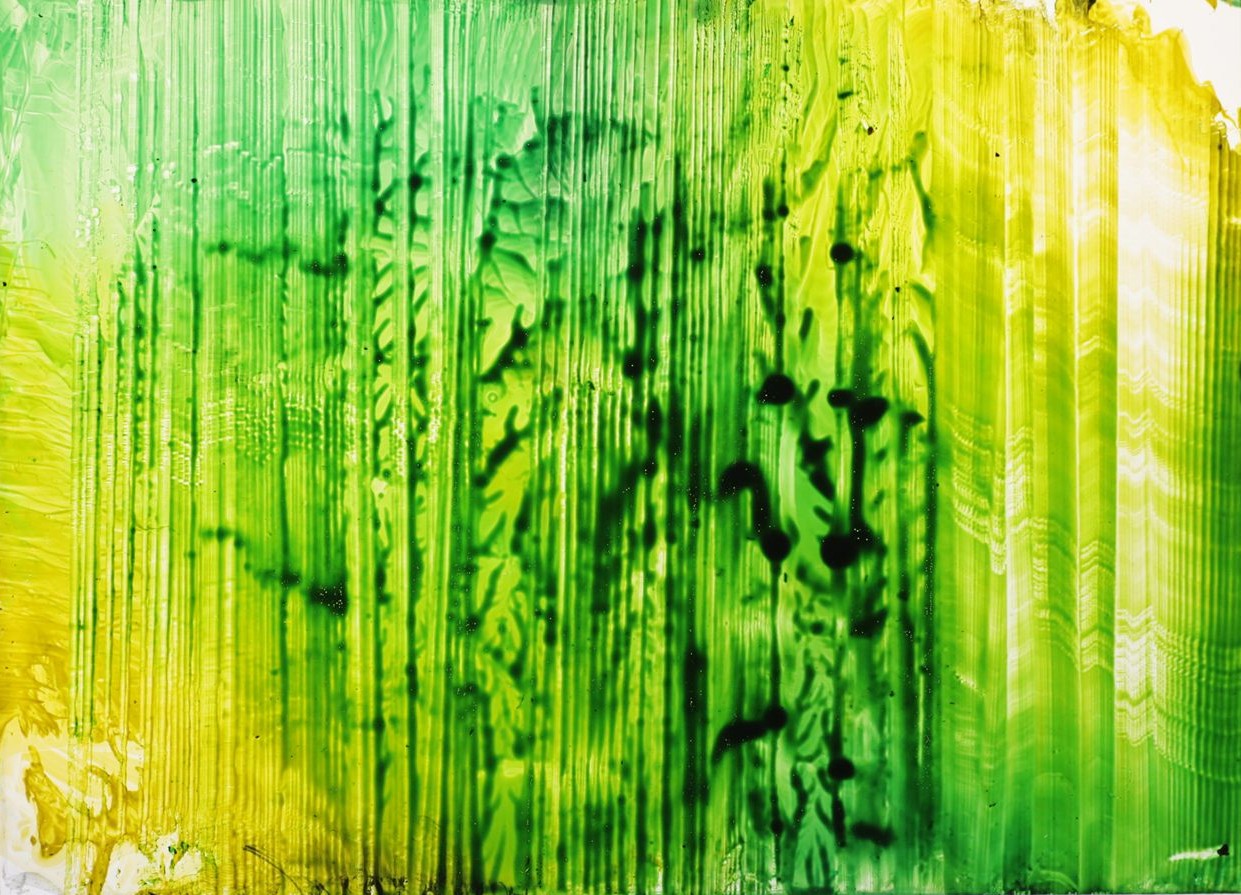
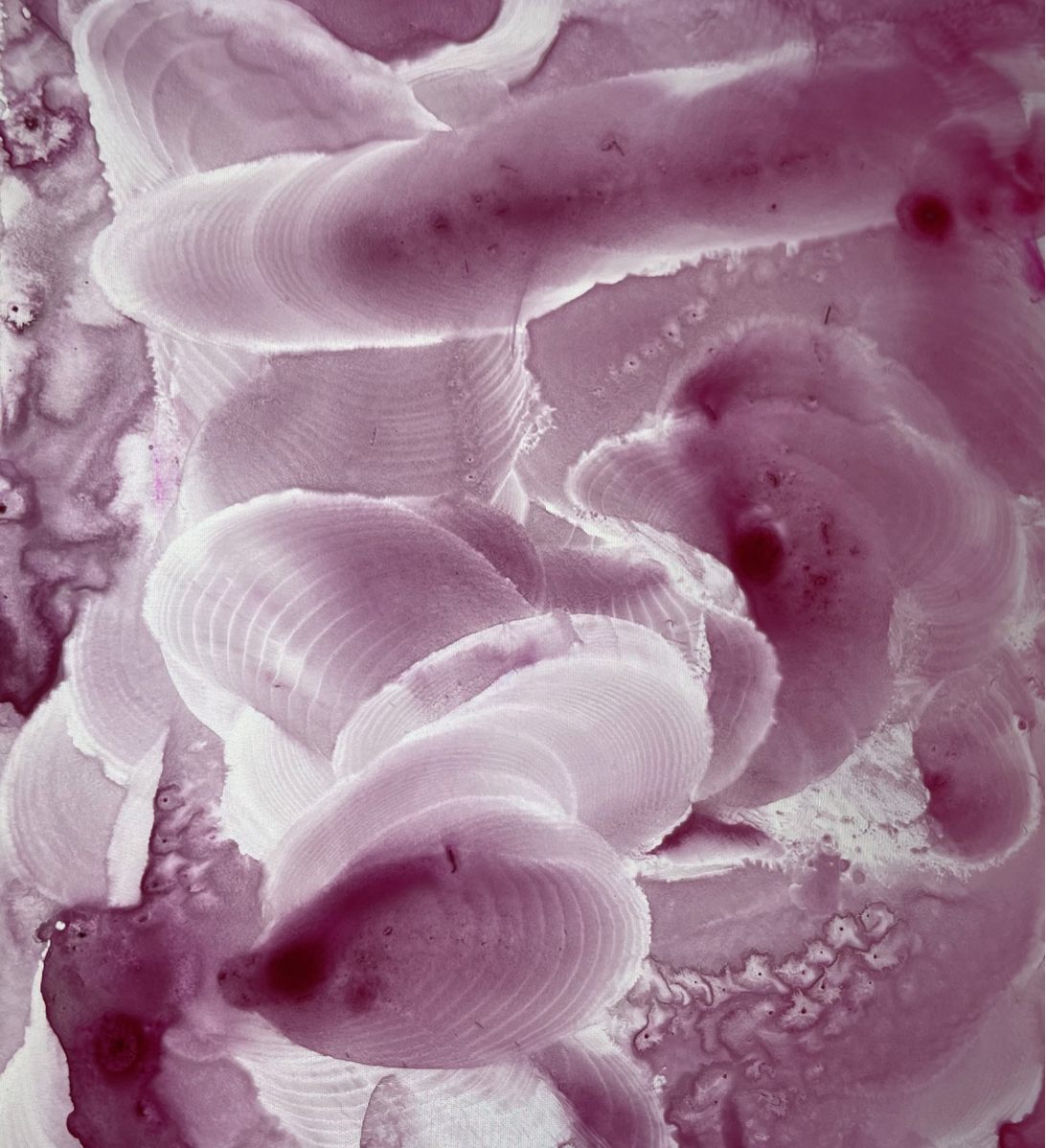
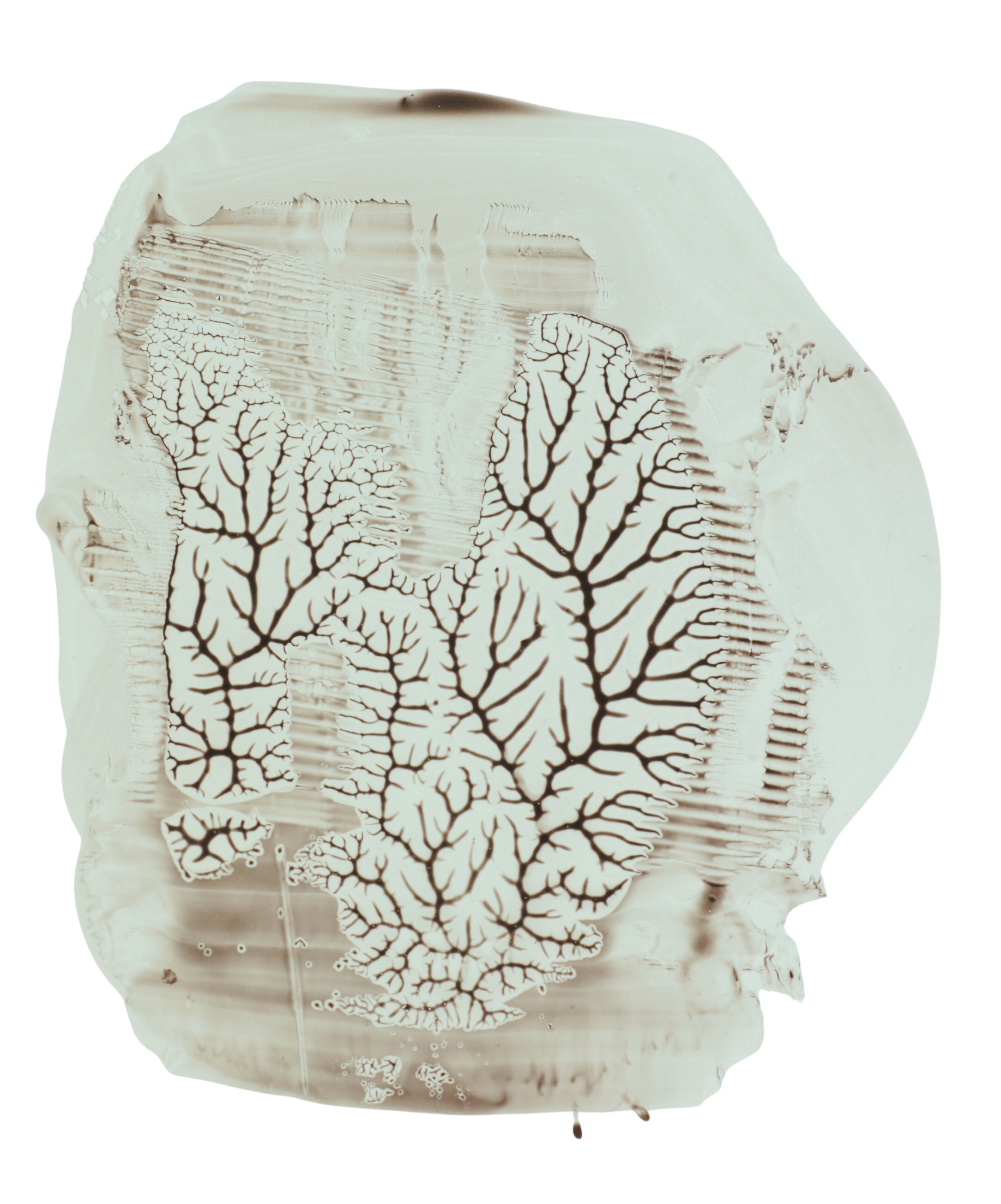
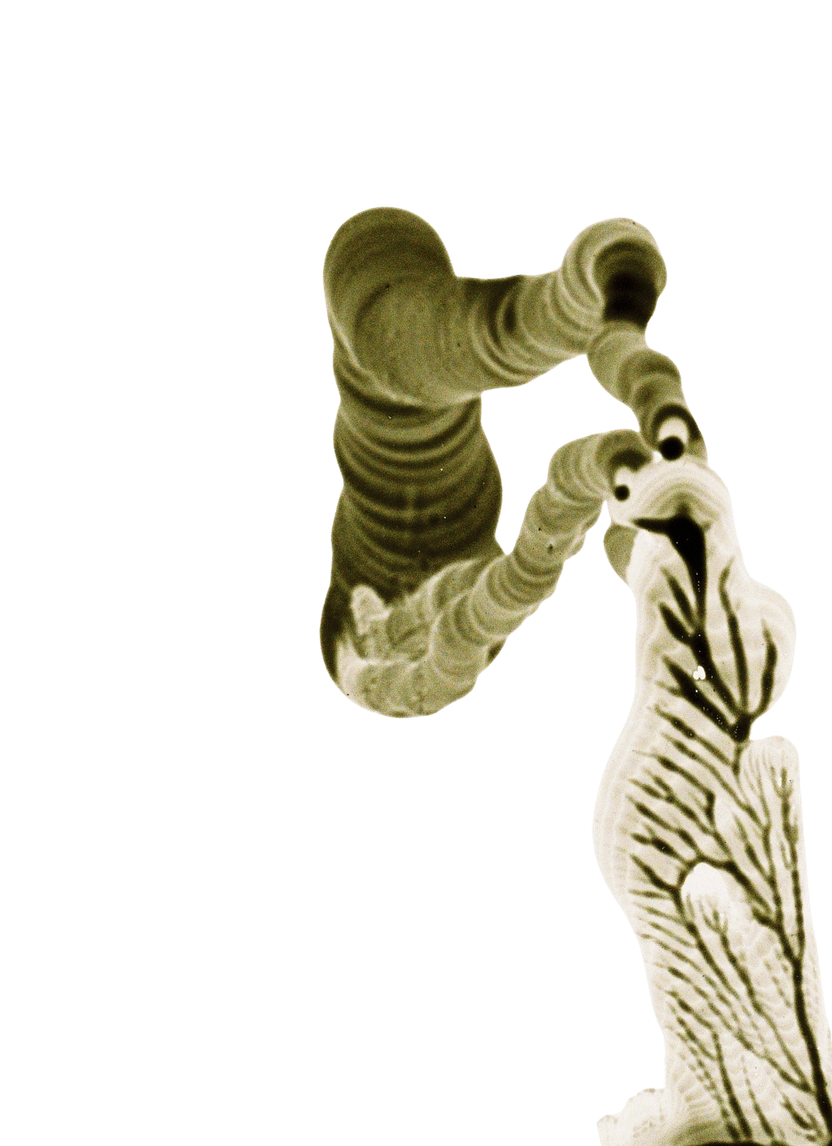
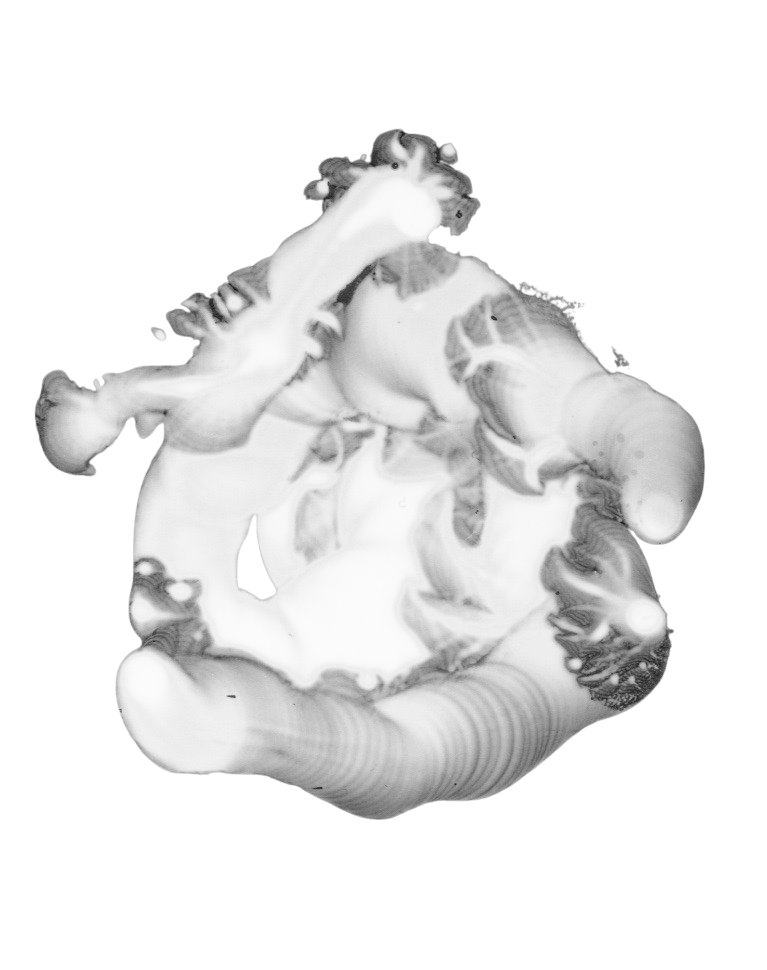
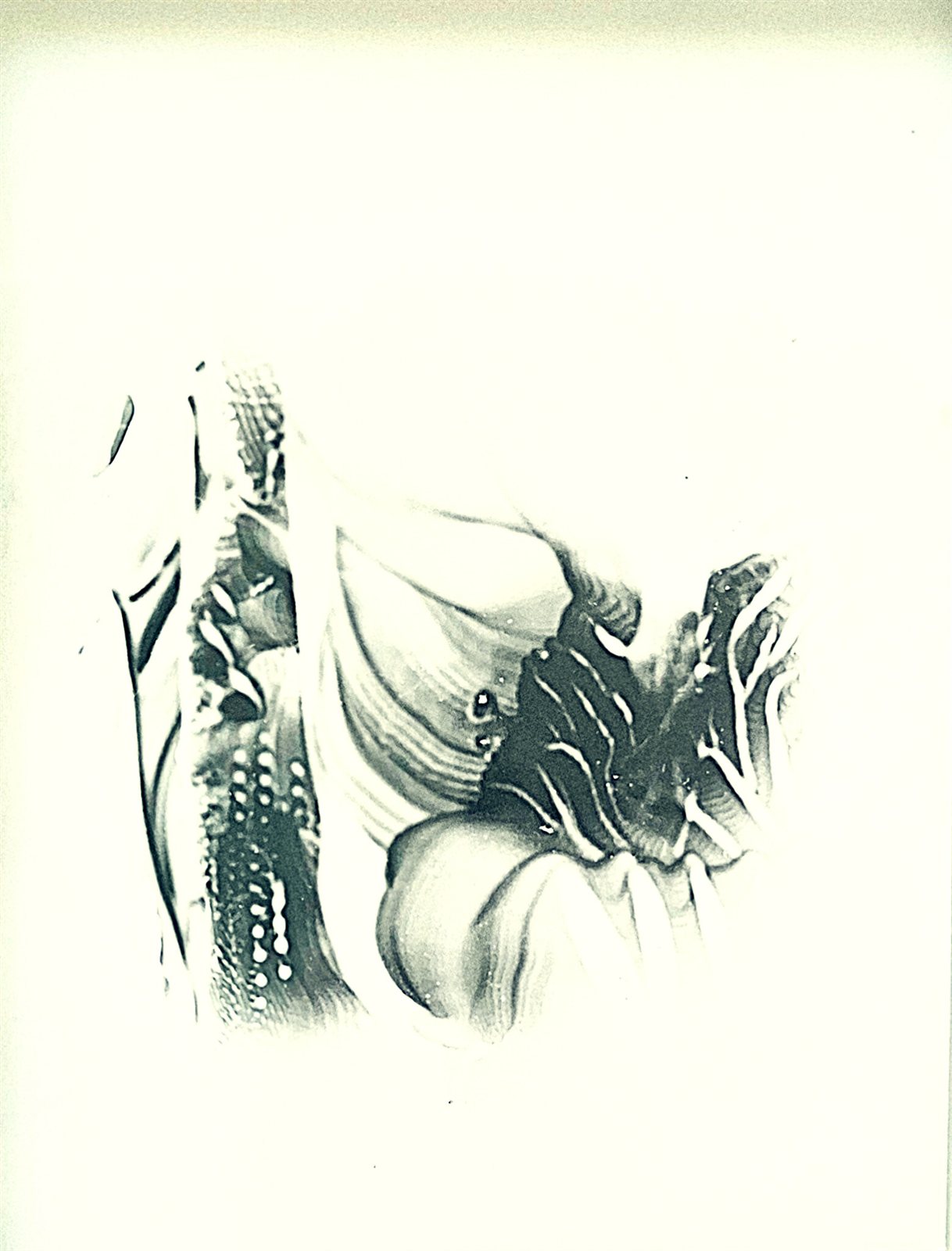
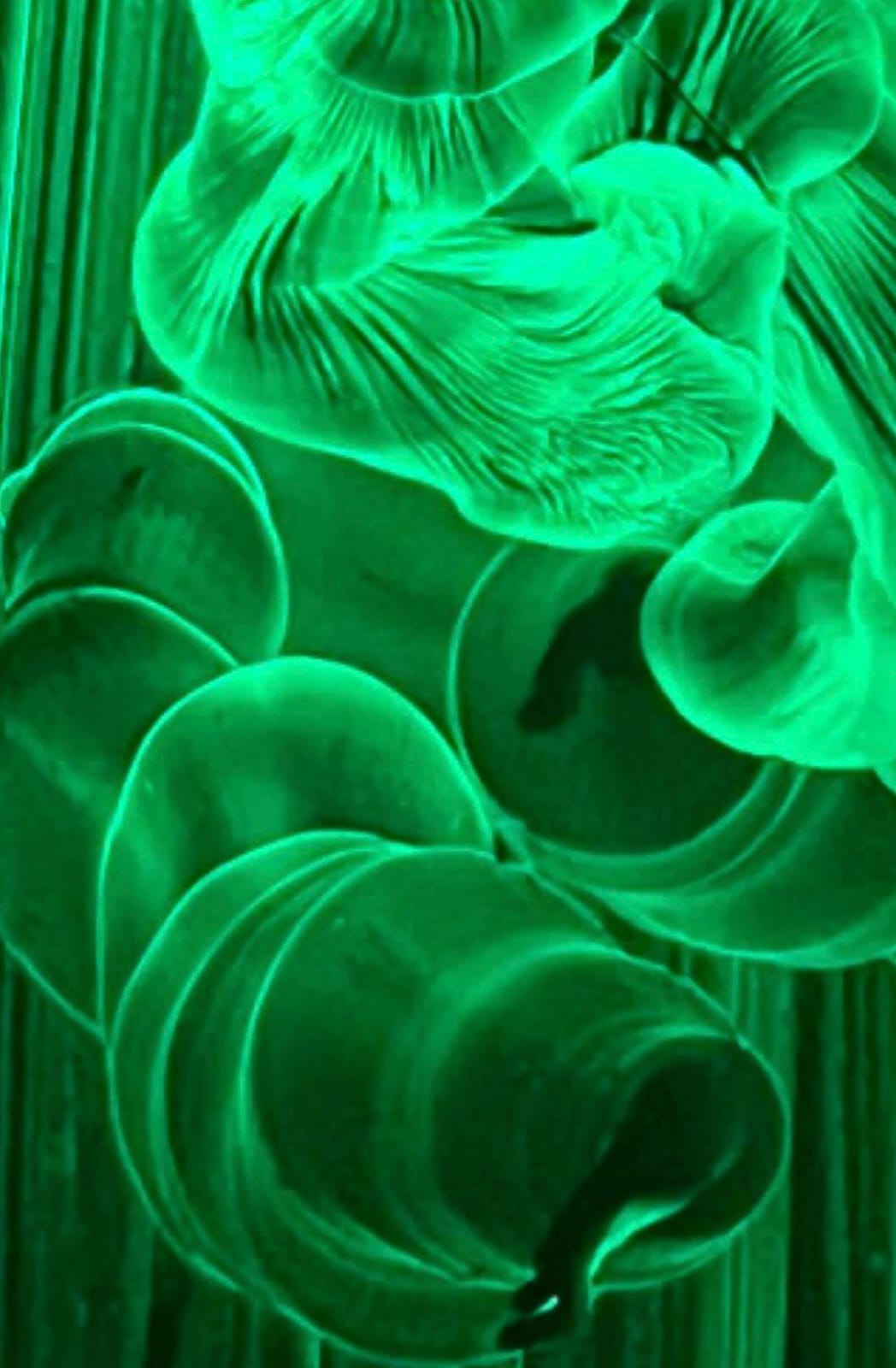
The vibration that modulates: voice, waves, dolphins. Each stimulus leaves a unique trace.
The density of the paint: the denser it is, the more it tends to branch out; the more liquid, the more it flows and spreads.
The meeting and separation between glass and membrane, where physics draws its viscous fingers.
Before it dries, the paint must remain active, alive, capable of reacting. Nothing is completely controllable.
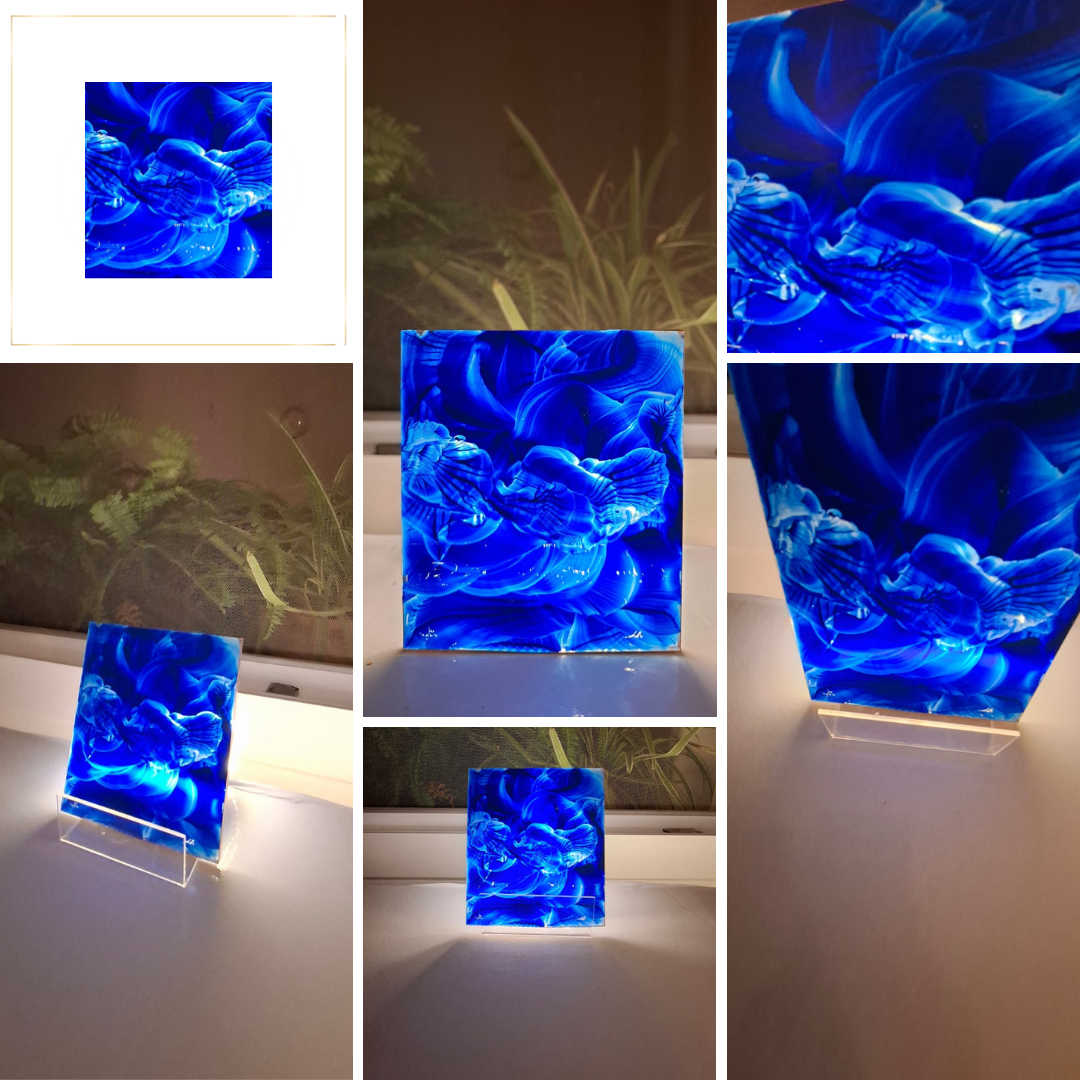
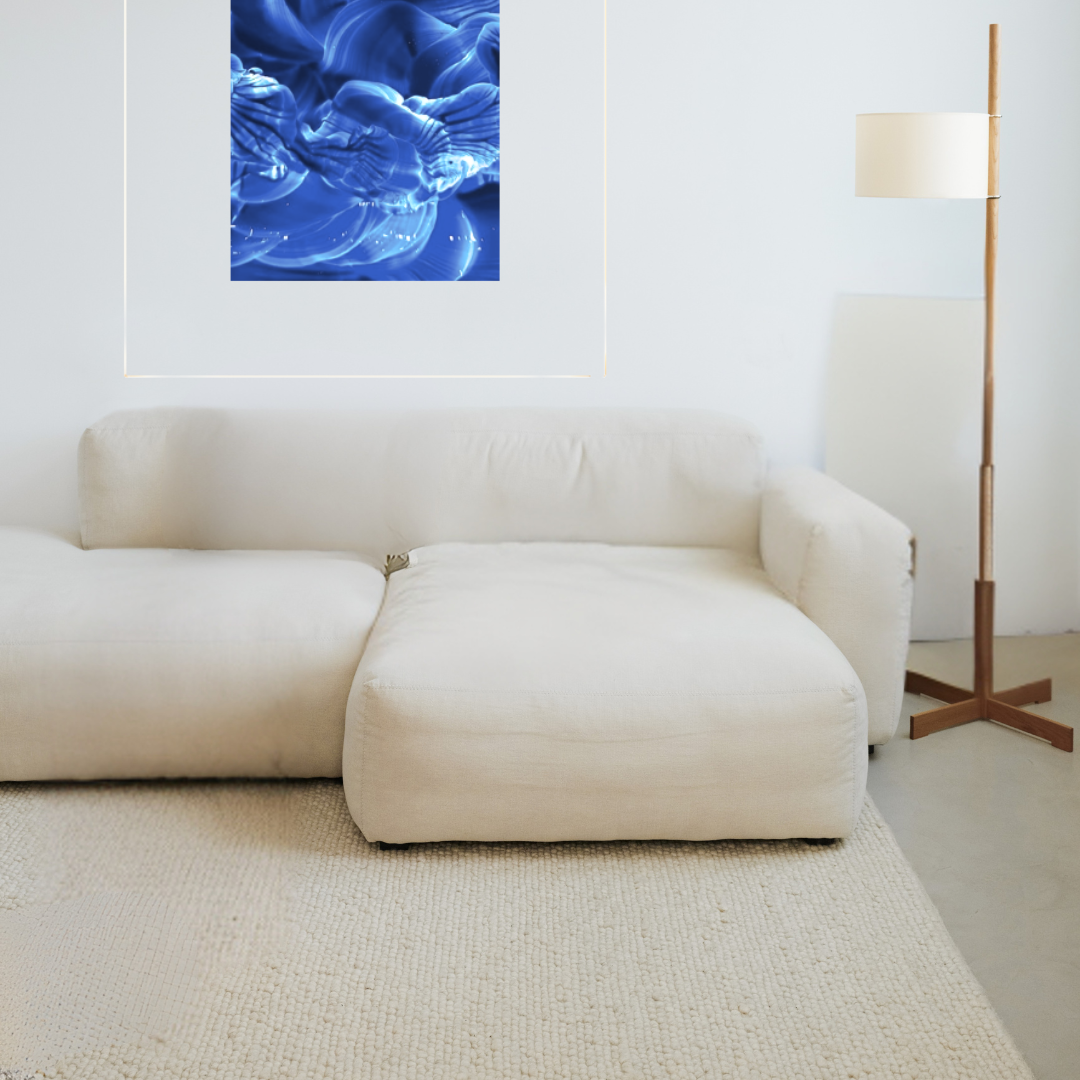
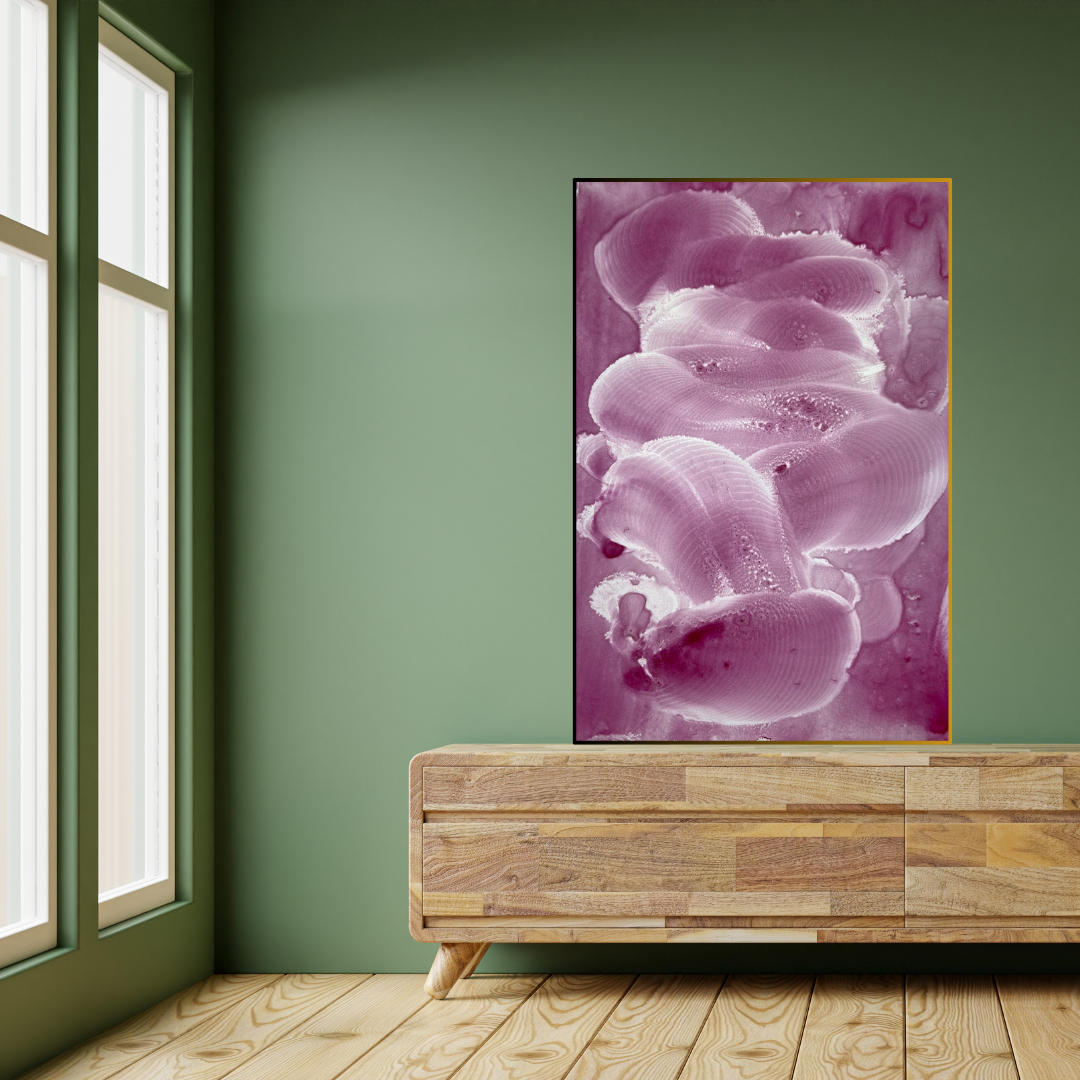
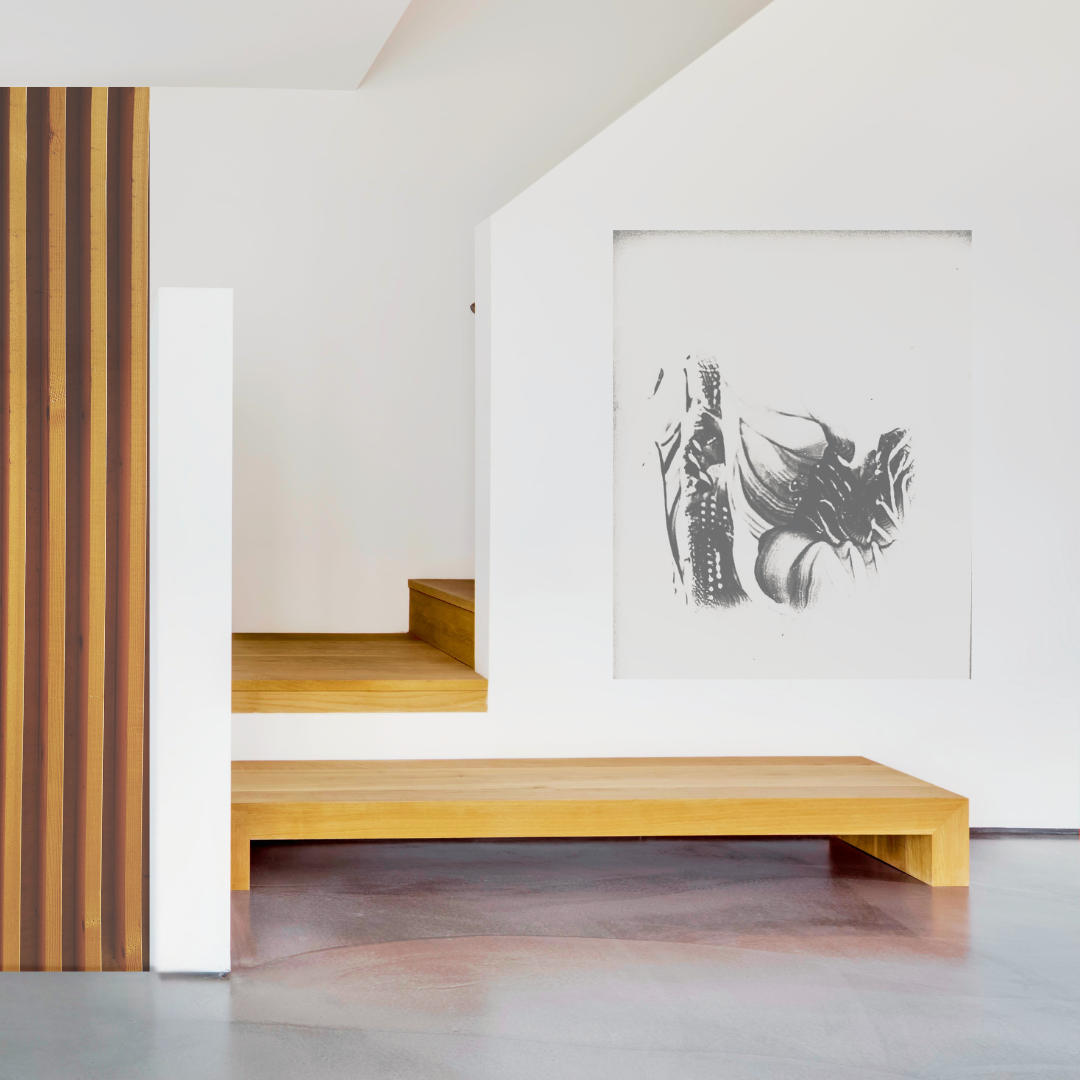
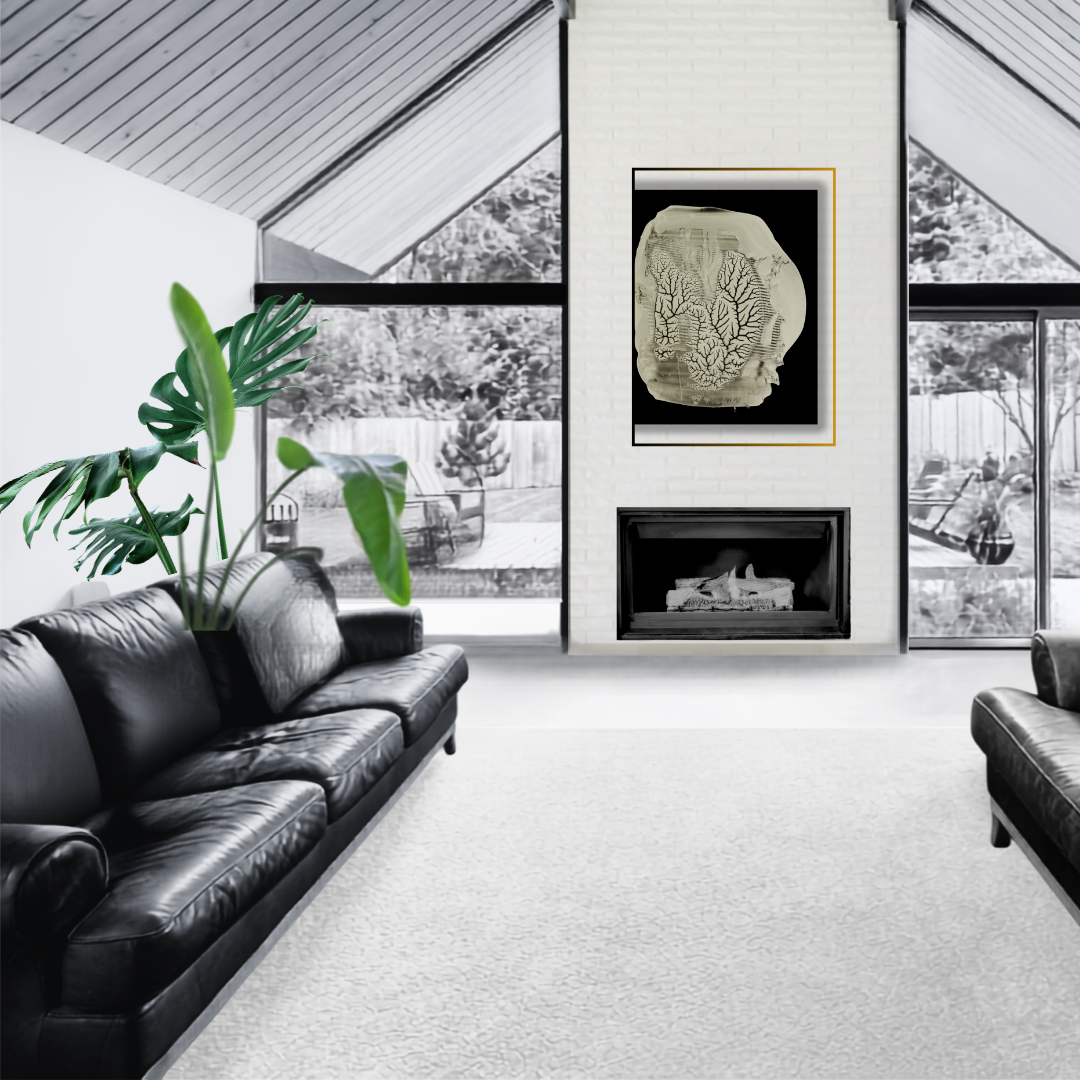
Exhibition views and installation spaces, where each piece finds its place in light and shadow.
Even if we don't see it, sound is always drawing something.